The Psychology of Propaganda: How MAGA Republicans Turned “Liberal Snowflakes” into “Terrorist” ~via Mitch Jackson
Mitch, a friend and valuable legal and political resource, directed me to his Substack post after I posted this to Facebook... This shift from liberals being mocked as "gay crybaby liberal snowflakes" into "dangerous radical leftist violent murderers" needs to be studied. /Ted
The Silent Shift: How Fear, Propaganda, and Silence Are Rewriting America’s Story
Anyone else notice this is happening? One minute we were “liberal snowflakes,” and now we’re being painted as violent radicals and domestic terrorists. That shift didn’t happen by accident. It’s not random. It’s a calculated marketing campaign that’s tested, repeated, and amplified by far-right MAGA strategists who know exactly what they’re doing. They’re weaponizing fear, identity, and repetition to control the story and divide this country even further.
Every speech, every headline, every so-called “news segment” using that language is part of a coordinated playbook designed to make everyday Americans see their neighbors as enemies. It’s psychological warfare dressed up as politics. And what’s worse, I haven’t seen a single reporter, host, or major voice push back in real time. Not one. That silence isn’t just disappointing, it’s dangerous.
In this article I want to help you understanding the how and the why of what’s going on. Doing so gives you tools to see through the gaslighting, to push back, and to reclaim moral authority.
The Shift in Branding: From Soft to Dangerous
For years Republican messaging framed Democrats as fragile, overly emotional, elitist, disconnected, and politically correct. That was the “snowflake” narrative. The implied threat was weakness, not power.
That shifted. Now the narrative says: Democrats are not weak, but dangerous. They are violent extremists, terrorists, internal enemies. This recalibration gives Republicans a more urgent, existential-sounding threat to rally against. It turns disagreement into combating a menace.
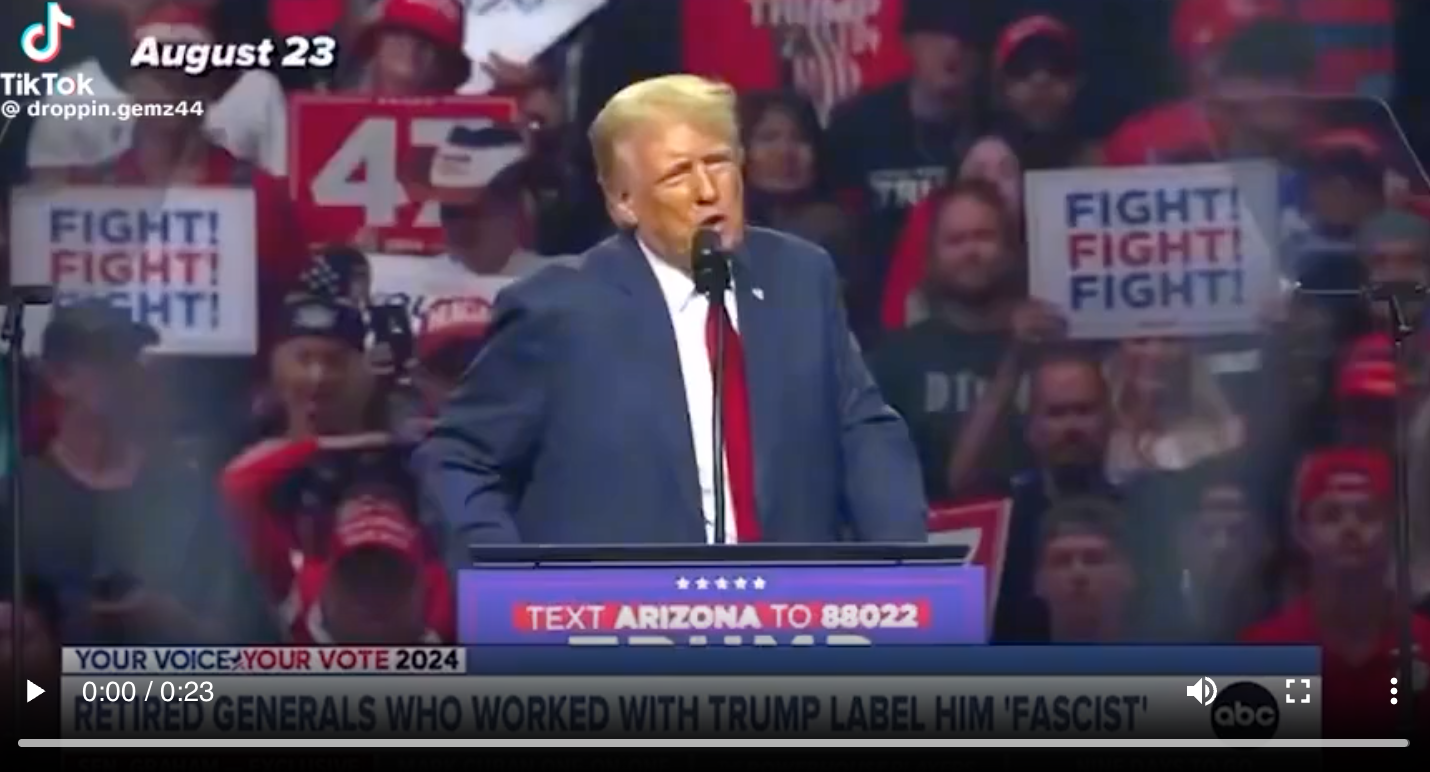
Behind that shift lies coordinated strategy. The messaging across conservative media, Trump allies, and Republican officials is consistent: Democrats as radicals, Democrats as domestic terrorists, Democrats as a threat to law and order. Declaring antifa a “domestic terrorist organization,” labeling the Democratic Party itself a “domestic extremist organization,” using executive orders and national security memoranda to institutionalize that framing. These actions are extensions of the message.
Everything in the messaging aligns. The media ecosystem echoes it. Republican spokespeople, MAGA influencers, and official policy pronouncements all reinforce the same association: liberal ideals = danger. That alignment suggests a memo, shared playbook, or campaign plan.
Why This Branding Works- The Psychology Behind It
Humans respond extremely strongly to threat. When you frame an opponent as not merely wrong but as an existential danger, you elevate fear, outrage, urgency. You provoke emotional arousal, which makes people more likely to act, to defend, to mobilize.
Misguided republicans, news outlets and their marketing agencies know this. They understand that labeling someone “terrorist” or “extremist” activates deep cognitive shortcuts. It triggers moral disgust, dread, the sense that you must protect yourself. Once a group is demonized as beyond the pale, ordinary arguments no longer matter. You have turned politics into self-defense.
This messaging also exploits in-group identity. If Republicans can convince their base that “we” are the defenders of civilization and “they” are the criminal threat, they sharpen group cohesion, loyalty, and mobilization. Doubts, nuance, and compromise all become suspect inside that frame.
The branding also uses projection. By accusing Democrats of the very things Republicans fear they might be accused of such as violence and extremism, it flips the moral stigma onto the other. This is classic deflection.
Because the same language is repeated across platforms such as the news, social media, speeches, it becomes familiar. Repetition works. A more extreme message repeated enough loses shock value and becomes normalized.
Why This Pivot Now Matters So Much
Trump’s second term creates a context in which the presidency is fully controlled by the same faction pushing the narrative. The executive branch can take steps that reinforce the messaging: use DOJ and homeland security to target extremism, label leftist protests as riots or terror, deploy federal force under the justification of combating ideological enemies.
Recent events highlight this. Whether it involves a shooting or someone getting hurt at a rally, Republican leaders immediately blamed the “radical left” before facts are known and motive was established. The Trump administration pushes the narrative that Democrats stoke violence against law enforcement. That instant politicization of tragedy underscores how tightly message control is now wired into action.
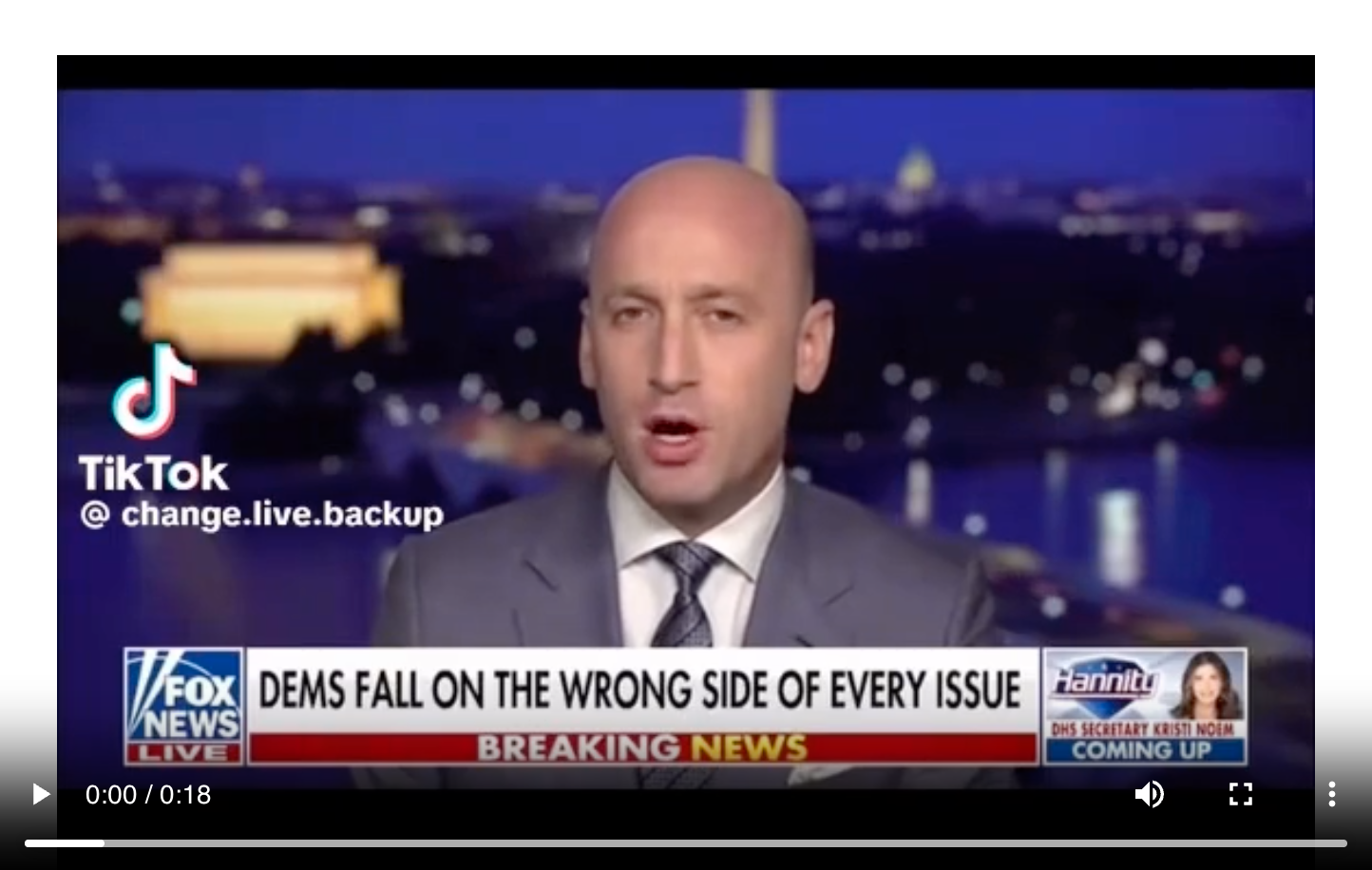
On a daily basis, unelected Stephen Miller, the flawed and misguided influence behind much of what Trump says and does, calls the Democratic Party a “domestic extremist organization.” The president issued a national security memorandum ordering probes into “organized political violence.” These moves institutionalize the message. They convert rhetorical branding into legal and administrative tools. Here’s just one of Miller’s daily rants.
The goal is not persuasion. The goal is control and containment. The message is clear: dissent, protest, opposition, if labeled extremist, can be treated as a security threat.
What Republicans are Trying to Suppress By Branding Opposition This Way
By painting dissenters as violent enemies, Republicans delegitimize protest, criticism, journalism, civic movements. They justify overreach: surveillance, arrests, federal interventions. They chill speech and discourage people from speaking out. They shift the burden of proof such that if you are accused of being an extremist, you must prove innocence in a hostile environment.
They drown out nuance. They collapse a broad coalition of liberals, moderates, progressives, unions, social justice advocates into one caricature: the radical left. They simplify the battlefield. They force you to fight uphill: your ideas must first escape demonization before even being heard.
What You Can Do to Push Back
Name it boldly. Use precise language. When a Republican says “terrorist left,” call them out: that is propaganda, that is destabilizing rhetoric. When reporters let people they’re interviewing get away with this crap, reach out to the reporter and let them how disappointed you are in how they handled the situation.
And if you’re like me and are comfortable doing so, use terms like far-right MAGA Republican fascists and authoritarians to describe these people when writing, speaking or doing interviews. Call them by what they are doing, not by what they claim. That changes the moral map.
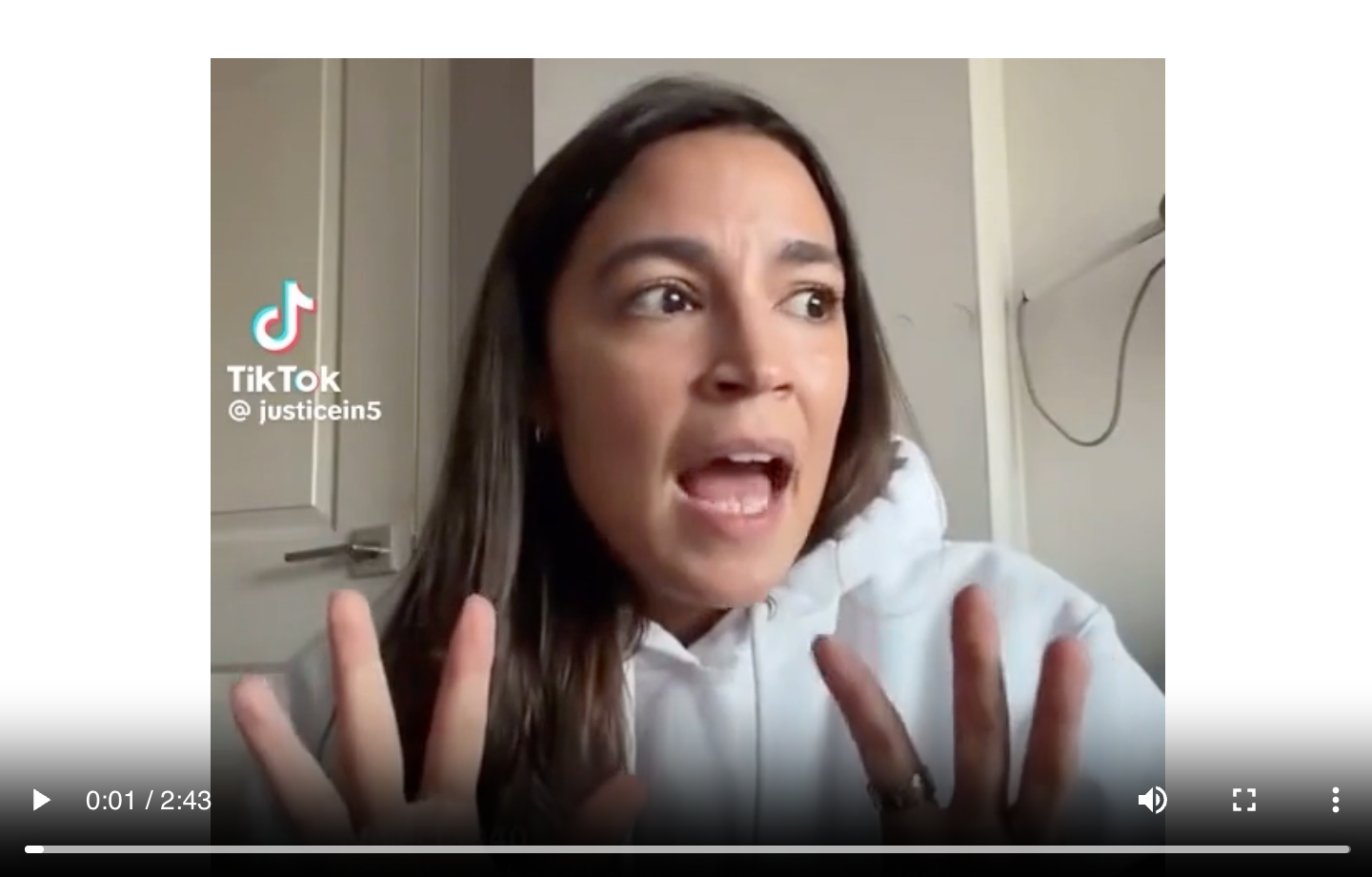
AOC went straight for Stephen Miller’s throat in that clip, and it was glorious. No hesitation, no sugarcoating, just truth with bite. That’s how you deal with bullies. You don’t whisper, you don’t tiptoe, you punch them in the mouth with facts and fire. You make them flinch. You make them feel the weight of their own lies. I’m done sitting quietly while they spew garbage and call it patriotism. You do you, but I’m not taking their bullshit anymore.
At the same time, stay anchored in reason. Every time you respond, ground your language in facts, evidence, law, values. When opponents smear, refuse to lose clarity. Let your listeners see: you know what’s happening and you refuse to cower.
Make the message viral. Use social media, interviews, columns, local organizing to spread your counter-narrative. Interrupt the echo chamber. Let moderates hear resistance in their own voice. No Kings Day next Saturday is a great day to start. Show up, be loud, share your voice with the world.
Trigger cognitive dissonance. When they call you a “radical violent leftist,” push back with calm evidence of your work, your values, your commitments to democracy and nonviolence. Remind them of the Oath taken by an incoming President of the United States:
Let their claims strain under contradiction.
Empower your own identity. Recognize that being called enemy is a signal that you are being taken seriously. That threat means you matter. Use that energy. Use it to mobilize others who share your principles.
Don’t lose your dignity. Speak firmly, clearly, without contempt in every sentence. Let your moral strength shine.
Conclusion
Republicans have pivoted their branding intentionally from soft insults to existential threats. They deploy fear and identity to mobilize, to silence opposition, to legitimize overreach. You can disarm their narrative by naming it, refusing to accept it, and building a counter-story rooted in dignity, truth, and collective defense of democracy.
When Republicans try to gaslight you, use their own weapons such as words, clarity, moral authority, so that the light shines through their darkness. After all, you hold the power in the upcoming 2026 midterms and they know it. The moment is now and it demands your voice.
Mitch Jackson, Esq.
P.S. For all the reporters and journalist reading this issue, start doing your fu*king job.
This is the Moment
You showed up. That’s not nothing. If this matters to you, here’s how to lean in:
→ Support the work—monthly, yearly, or as a Founding Member.
→ Share it. Gift it. Spread it to someone who’s ready to see clearly.
This isn’t a newsletter. It’s a signal. Let’s make it louder.