
The Evergreen Edge: Turning Assets into Advantage ~via Evergreen Trading’s Jonathan Sorkenn
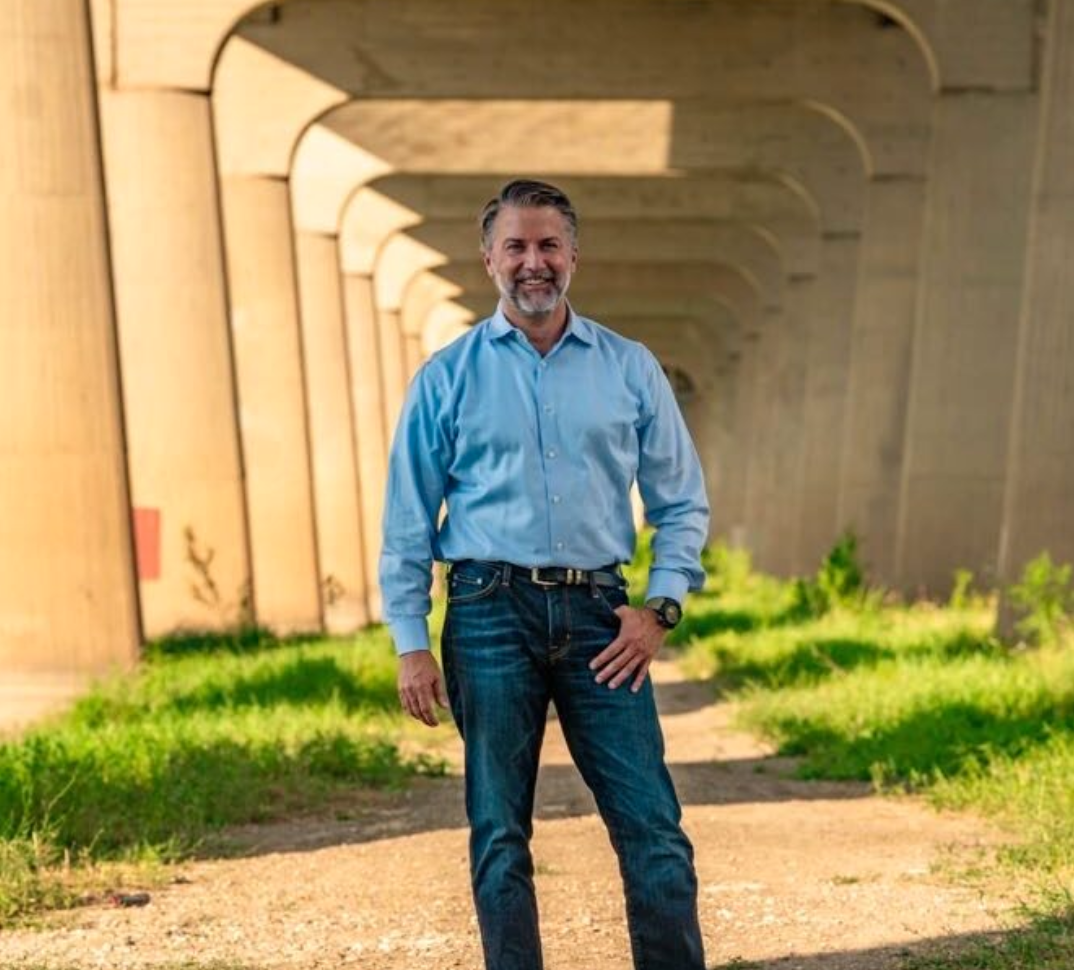
In a recent post on TedRubin.com, I shared my perspective how Evergreen Trading transforms underutilized assets into powerful media investments that unlock growth. Evergreen Trading’s Jonathan Sorkenn followed with this post about what they refer to as THE EVERGREEN EDGE: the combination of ownership, alignment, and partnership that makes their model not just innovative, but sustainable. /Ted
In a recent post on TedRubin.com, Ted Rubin shared his perspective how Evergreen Trading transforms underutilized assets into powerful media investments that unlock growth. Ted captured the essence of our model: helping organizations reframe value and think differently about how they fund media. I’m grateful for his thoughtful take, and I’d like to build on it by sharing what we internally call THE EVERGREEN EDGE: the combination of ownership, alignment, and partnership that makes our model not just innovative, but sustainable.
At its core, Evergreen’s strategy converts dormant or non-core assets into media capital, allowing brands to protect liquidity while continuing to invest in growth. That financial ingenuity is often what first captures attention. However, the true differentiator lies in how we execute. Evergreen's 100% employee-owned structure fundamentally shapes how we approach every client relationship. When you work with Evergreen, you are not engaging with representatives of a distant shareholder base; you are partnering with owners whose long-term success is directly tied to the outcomes we create. That alignment fosters accountability, discipline, and a deep commitment to delivering measurable value.
The Evergreen Edge also stems from our ability to operate at the intersection of marketing and finance. Marketing leaders are tasked with driving performance, brand equity, and growth in increasingly complex media environments. Financial leaders are responsible for capital efficiency, balance sheet strength, and risk management. Historically, these priorities can feel misaligned. Our model bridges that divide by converting existing assets into working media capital, creating flexibility for marketing teams while satisfying the financial rigor demanded by the C-suite. It is not about spending more; it is about unlocking smarter sources of funding for investments that drive return.
In today’s climate, where scrutiny on budgets is constant and expectations for performance are relentless, creative capital solutions are not a luxury, they are essential. The Evergreen model enables companies to mobilize value already within their organizations, transforming what might otherwise sit idle into strategic leverage.
Equally important is the culture that supports this work. Ownership creates a long-term mindset. It encourages collaboration across teams and disciplines. It reinforces the understanding that sustainable growth is built on trust, transparency, and partnership rather than short-term transactions. We measure our success not just by the value we unlock, but by the strength of the relationships we build with our clients and media partners over time.
Ted often speaks about the power of relationships as a business driver, and that philosophy resonates deeply with how we operate. The Evergreen Edge is ultimately about alignment... aligning incentives, aligning strategy with capital, and aligning our success with that of our partners. Strategy may open the door, but structure, culture, and ownership keep it open.
In a crowded marketplace of agencies, consultants, and intermediaries, differentiation rarely comes from claims alone. It comes from how a company is built and how it behaves. The Evergreen Edge is the product of our structure, our mindset, and our commitment to turning innovation into enduring advantage.