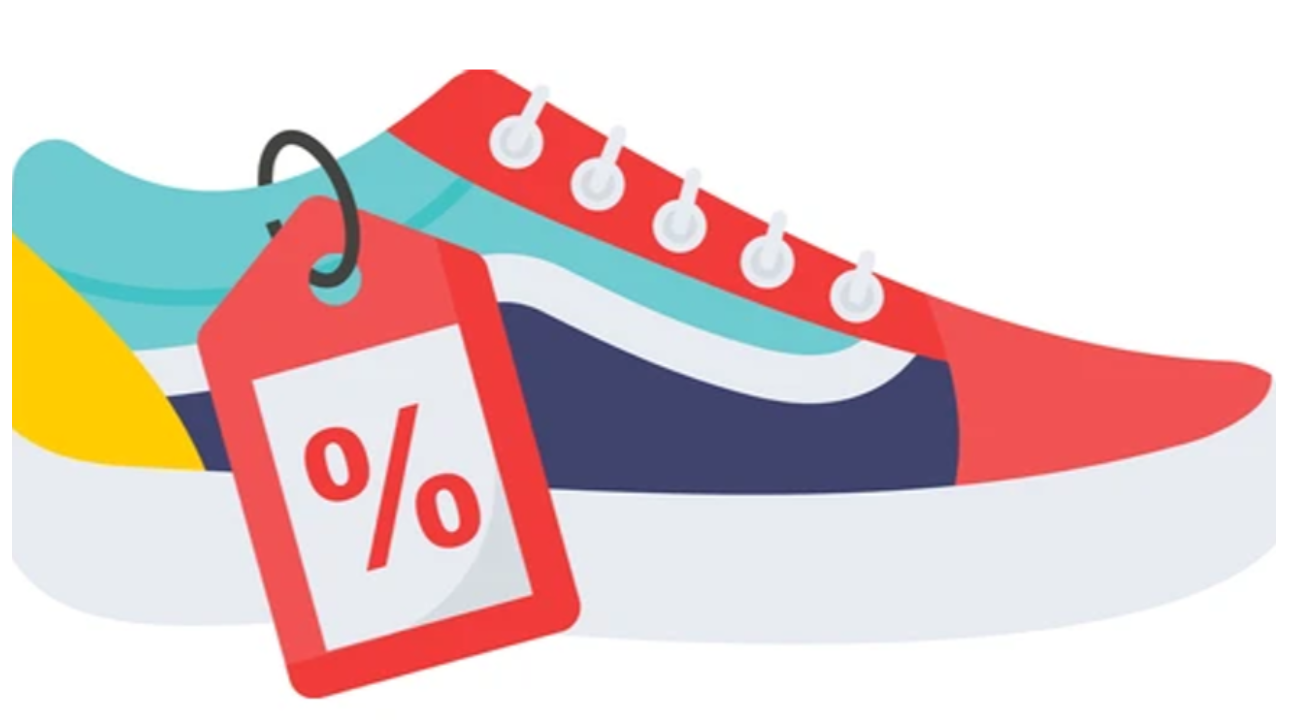
When growth slows, promos get louder. That’s often a mistake. ~via Joanna Darst
This post really resonated with me...
I learned this lesson firsthand while serving as CMO of e.l.f. Cosmetics during the brand's early growth years. Whenever month-end sales made everyone a little nervous, the temptation was to run another 25% off promotion... even though e.l.f. was already a $1, $3, and $7 brand.
Before long, our customers learned to wait. We had unintentionally trained them to buy on sale.
I've said for years, when everything is a sale, nothing is a sale. You don't just erode your margins... you begin to erode the perceived value of your brand. And once customers expect the discount, breaking that cycle is incredibly difficult.
Joanna captures it perfectly:
"If your solution to a slow cycle is more promotions, you're not solving the demand problem. You're leaving money on the table. You're renting your own revenue."
*Every brand builder needs to read this post! -Ted
In a slower-growth cycle, brands often reach for the same lever: discounts.
It’s understandable. Promos are fast. They spike traffic. They move units. They make dashboards look healthier by Friday.
But when promotions become the default response to softer demand, you don’t just buy volume. You train behavior.
And right now, the pressure to do that is real.
Consumer confidence has softened over the past year as households weigh inflation, job security, and higher cost of living in general. Retail Dive recently noted that consumer spending is expected to grow more slowly as shoppers become more cautious in 2026, even while consumption continues to drive the broader economy.
And, the perception that life is simply more expensive today is real. The WSJ reported that in January 2026 online prices rose at the highest rate in 12 years. The cause? Higher insurance costs, tariffs and higher payrolls (even with the layoff announcements coming in daily). More on this trend, here: (1) Prices rise as companies feel squeeze from tariffs, payrolls | LinkedIn
You can feel this shift in everyday behavior. Probably in your own behavior. People aren’t necessarily stopping spending, but they’re becoming more deliberate about it. More comparison shopping. More waiting. More asking, “Do I need this right now?”
That mindset changes how promotions work.
Because when wallets tighten, discounts stop feeling like an occasional incentive and start feeling like permission to buy.
And that’s where brands get into trouble.
The unpleasant truth: the promo didn’t “work” if it only shifted timing
Teams ask, “Did the promo lift sales?”
The better question is, “What would have happened without it?”
In a cautious consumer environment, the line between incremental demand and pulled-forward demand gets blurry quickly.
Buyers stock up instead of buying just when they need it.
Customers learn to wait for the next offer.
Full-price conversion evaporates.
CACs increase overall because your pool of potential buyers shrinks and watches how you’ve trained them to buy on promo.
Short term, the numbers look good. Long term, margin, price protection and brand equity take the hit.
Promos should be a scalpel, not a hammer
There’s a version of promotion that’s strategic. It’s targeted. It creates new behavior. And there’s the version that’s reactive and constant.
The difference comes down to intent.
Promotion should support the brand story, not replace it.
What this looks like in practice:
1) Incentivize trial, not habit
Discounting loyal buyers is one of the fastest ways to destroy pricing power.
Use your strongest offers to bring new customers in, encourage trade-up, or expand the relationship, not to subsidize purchases that were already happening.
If your most loyal customer never pays full price, you’ve reset their reference price.
2) Protect your heroes
Not everything should be on sale.
Your hero SKUs aren’t just revenue drivers. They signal quality and value on shelf. When they’re constantly discounted, consumers learn that the “real price” is the promo price.
In tighter economic moments, protecting those anchors matters even more.
3) Build promotions around real consumer triggers
Promo calendars often exist because the business needs a moment.
Consumers don’t experience months and quarters. They experience seasons, routines, pay cycles, and life moments. The more relevant the trigger, the less aggressive the discount needs to be.
That’s especially true when shoppers are already approaching spending cautiously.
4) Separate demand creation from demand harvesting
This is where many brands overcorrect during slower periods.
Demand creation (brand building, differentiation, emotional connection) gets cut because it’s slower and harder to measure.
Demand harvesting (promotions, urgency, conversion tactics) gets amplified because it works immediately.
But if you only harvest, eventually there’s nothing left to harvest.
Retail Dive’s coverage of recent consumer trends points to exactly this tension: consumers are still spending, but with more restraint and selectivity, forcing retailers to work harder for each purchase.
That means brand differentiation and meaning matters more, not less.
The analytics that matter in a slow cycle
If promotion is going to be precise, measurement has to be, too.
The questions that matter:
What percentage of this lift is incremental?
Did we acquire new customers or subsidize existing ones?
What happens to purchasing behavior after the promo ends?
Did we improve shelf velocity or just clear inventory?
If your measurement can’t answer those, the default answer becomes “more promo.” And “more” is rarely the right answer.
The shelf reality
Promotions don’t just change price. They change perception.
In retail environments especially:
Are you always in the deal stack?
Are you training shoppers to see you as interchangeable or simply, a commodity?
Are you winning short-term visibility at the expense of long-term brand equity (which is quantifiable..)?
During moments of cooling growth and lower consumer confidence, as the economy rebounds, brands that emerge stronger do two things:
They stay disciplined on price and disciplined on brand distinction and meaning.
They protect pricing power by being intentional with incentives. They protect emotional equity by reminding customers why they’re worth choosing, even when budgets tighten.
Because when confidence returns….and it always does….the brands that maintained their value story are the ones that accelerate fastest.
A simple takeaway
If your solution to a slow cycle is more promotions, you’re not solving the demand problem. You’re leaving money on the table.
You’re renting your own revenue.
And in this environment, when consumers are more cautious, more selective, and more aware of value, the strongest brands will be the ones that discount deliberately and selectively.